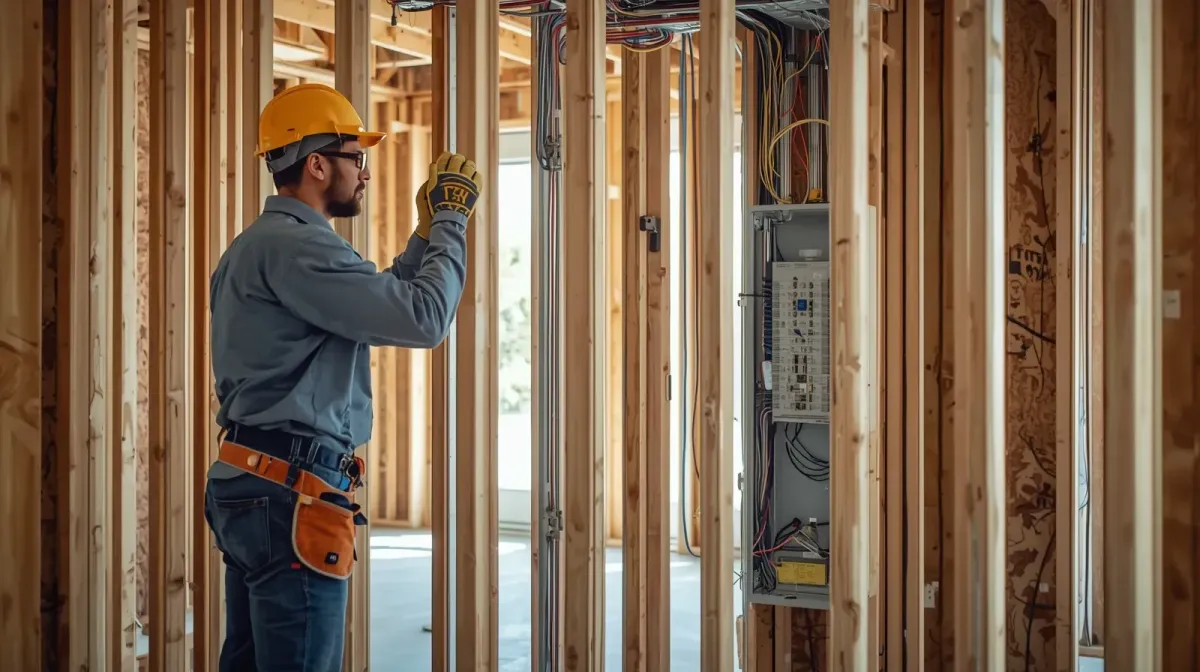
Trusted Electrical Wiring Installation in House Guide
SUMMARY
Electrical wiring installation in house means setting up the wires, circuits, and safety parts that bring power to every room. It is the full process of planning, placing, and connecting the electrical system so a home works safely.
Below is a short overview of what the full guide covers.
Short Summary
A home’s wiring must follow safety rules, correct wire sizes, and approved standards. The installation process includes planning circuits, placing wires, grounding, and testing. Good wiring protects families from shocks, fires, and system failure. A licensed team such as Saccone Electric designs and installs wiring that meets strict guidelines and building codes. This guide explains how wiring works, the rules experts follow, and when to call a professional.
Why Safe Home Wiring Matters More Than Most People Realize
Most people do not think about wiring until something goes wrong. But the wiring behind walls controls almost everything you use in a home. Lights, outlets, appliances, and chargers all depend on a safe system. When the wiring is planned and installed correctly, a house stays safe, steady, and easy to live in. When it is not, the risks can grow fast.
Bad wiring can cause shocks, short circuits, or even fires. This is why experts follow electrical wiring guidelines and national standards. They use the right methods, the right wire size, and the right materials to build a system that lasts many years. Good wiring is not only about power, it is about protecting everyone in the home.
What Electrical Wiring Installation in House Really Means
When we talk about electrical wiring installation in house, we mean the full setup of the wiring that sends power through the home. It is not only about running wires. It includes planning the layout, building safe circuits, placing outlets in the right spots, grounding the system, and checking that every part follows electrical wiring standards.
During installation, experts think about where each room needs power and how much power each circuit should carry. They also think about future needs so the home can support more devices later. The goal is to make a system that is safe, strong, and reliable for daily use.

Understanding How Residential Wiring Works Inside a Modern Home
Residential wiring works like a network. Power enters the home through the main line and moves into the breaker panel. From the panel, different circuits carry power to lights, outlets, and appliances.
Each circuit has a breaker that protects it. If the circuit gets too much power, the breaker turns off the flow. This protects the wires from getting hot. It also protects people from possible danger.
Inside the walls are cables made of copper or aluminum. These cables include hot wires, neutral wires, and ground wires. Each one has a job. Together they carry power safely to every part of the house.
Key Parts Involved in the Installation of Electrical Wiring
The installation of electrical wiring includes several important parts. Each one must work correctly for the home to be safe.
Panels and Breakers
This is the heart of the system. The panel controls how power is shared through the home.
Outlets and Switches
These give you control. They must be installed using the right wiring models and correct wiring methods.
Cables and Wire Types
Different types of wires are used depending on the load and distance. Wire size for home wiring is chosen based on how much power a circuit needs.
Grounding
Grounding protects people and appliances by removing extra energy safely.
Protection Devices
GFCIs and AFCIs reduce shock and fire risks.
When these parts work together, the electrical system runs smoothly.
Building Electrical Wiring and How It Differs From Older Systems
Modern building electrical wiring is much safer than older wiring found in older homes. Years ago, houses used wiring that did not include grounding. Some even used cloth covered wire, which breaks down over time.
Today’s wiring follows strict electrical wiring standards. These standards make sure every new home uses safer materials, correct wire sizes, and better protection devices. Modern systems also plan for larger power loads because families use more electronics today than ever before.
Older systems were not built for this demand. That is why upgrades are common during home renovations. A modern system lowers risk and supports new appliances without overload.

Electrical Installation for Home, A Step by Step Look at the Process
An electrical installation for home follows a clear plan. The steps may look simple, but each one must be done with care.
Planning the Layout
The electrician studies the rooms, power needs, and code rules.
Running the Wires
Cables are placed through the walls, ceilings, and floors.
Connecting Devices
Outlets, switches, and fixtures are added to the system.
Grounding and Bonding
These steps protect the home from electrical faults.
Inspection and Testing
Every part is checked to be sure it meets rules of wiring and house wiring requirements.
The whole process must follow safety standards. That is why many homeowners choose expert teams like Saccone Electric for the job. Experience and training make a big difference.
Electrical Wiring Guidelines Every Homeowner Should Know
Homeowners should understand simple electrical wiring guidelines. You do not need expert skills, but knowing the basics helps you make safe decisions.
Here are a few key points:
Circuits must never be overloaded
Wires should be the correct size for their job
All outlets near water need GFCI protection
Every room must follow standard home wiring rules
All work must follow local codes
These guidelines make sure the electrical system stays safe. They also help you know when something looks wrong so you can call a professional before the problem grows.
Why Electrical Wiring Standards Protect Your Home and Your Budget
Electrical wiring standards exist to keep homes safe. These standards are made by experts who study how electricity behaves in real houses. When electricians follow these rules, a system becomes stable and trusted.
Standards also protect your budget. When the system is built correctly the first time, the home needs fewer repairs. You also avoid problems caused by wrong wiring such as breaker trips, damaged appliances, or safety risks.
Standards also guide the materials, wire types, breaker sizes, and installation steps. Every part must work together. If one thing is wrong, the whole system can be affected.
House Wiring Requirements and Choosing the Right Wire Size for Home Wiring
House wiring requirements explain what a home needs to stay safe. These rules tell electricians how many circuits to install, where outlets should go, and how much power each area should have. They also include details about grounding, breaker sizes, and safety devices.
A major part of these rules involves choosing the right residential wiring size. Different circuits use different wire sizes. Small wires cannot carry large loads. Large wires may not fit safely in some devices. That is why wire size for home wiring is chosen carefully.
Examples:
Lights often use smaller wire sizes
Kitchens need larger wires for heavy appliances
HVAC systems need special circuits
Choosing the correct size helps prevent overheating and power loss.
Rules of Wiring That Licensed Electricians Follow to Prevent Hidden Risks
Licensed electricians follow clear rules of wiring. These rules protect the home from hidden risks like loose connections, bad insulation, and overloaded lines.
Some of these rules include:
Never mix wire sizes in the same circuit
Keep wires tight and secure inside boxes
Ground every metal part
Use correct color codes for all wires
Keep wiring away from heat sources
These rules reduce fire risks and system failure. Professional electricians train for years to master these steps. Wiring is not guesswork. It is a skill that requires understanding, planning, and precision.
When to Call a Professional, How Saccone Electric Helps Homeowners in Coeur d'Alene
Many homeowners are not sure when to call a professional. The answer is simple. If you see flickering lights, warm outlets, burning smells, or tripping breakers, you need help right away. If your home is old or you plan to add new appliances, you also need an inspection.
A trained electrician understands wiring 101, building electrical wiring rules, and safety standards. They know how to fix problems before they become dangerous.
Saccone Electric helps homeowners in Coeur d'Alene with safe, careful electrical work. The team checks the wiring, updates old systems, and installs new wiring that meets strict code requirements. The goal is to create a safe system that supports your home for years.
Conclusion
Electrical wiring is one of the most important parts of a home. It must follow wiring standards, house wiring requirements, and correct installation steps. A strong system reduces risks, protects appliances, and keeps your family safe. As homes grow and devices increase, the need for good wiring becomes even more important. A clear understanding of wiring helps homeowners make better decisions and know when to seek help.
If you want safe wiring, expert planning, and work done with care, reach out to a licensed electrician. The right team can guide you, update your system, and make your home safer.
Need help with wiring or electrical upgrades? Contact Saccone Electric today and get expert service you can trust.
