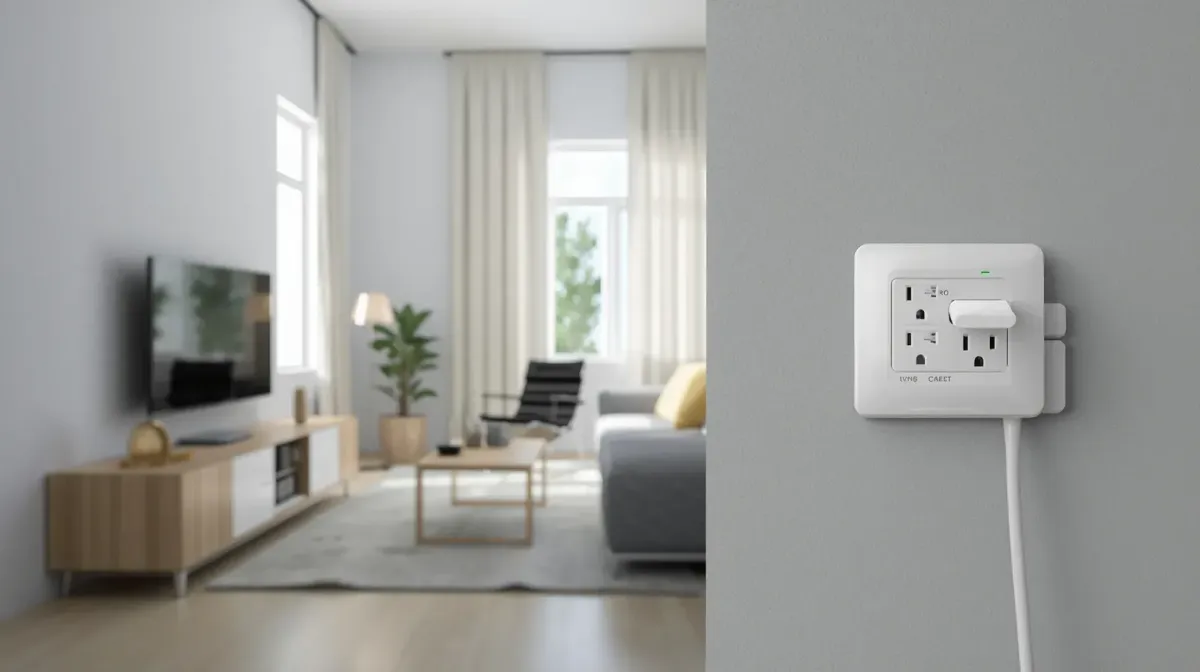
What Is a Surge Protector Explained in Simple Terms
What is a surge protector A surge protector is a safety device that shields your electronics and electrical system from sudden spikes in voltage. These power surges can damage appliances, computers, and wiring in seconds. A surge protector works by blocking or redirecting extra electricity before it reaches your devices, helping them last longer and work safely.
Below is a clear, easy to read guide that explains how surge protectors work, why they matter, and how to choose the right one for your home.
What Is a Surge Protector and Why It Matters for Modern Homes
What is a surge protector and why do so many homes rely on it today? A surge protector is a device designed to protect electrical equipment from sudden increases in voltage. These voltage spikes, also called power surges, can happen without warning. When they occur, they can burn out sensitive electronics or slowly damage them over time.
Modern homes use more electronics than ever before. Televisions, computers, gaming systems, smart appliances, and charging devices all depend on steady electricity. Even a small surge can weaken internal components. Over time, this damage adds up and shortens the life of your equipment. Surge protectors help prevent these problems by acting as a barrier between your devices and unsafe electrical flow.
Understanding Power Surges and Why They Happen More Often Than You Think
A power surge is a sudden jump in electrical voltage. Electricity is meant to flow at a steady level, but many things can disrupt that balance. Lightning strikes are a well known cause, but they are not the most common reason. Everyday events inside and outside the home often cause surges.
Large appliances turning on and off can create small surges. Air conditioners, refrigerators, and washing machines all pull heavy power when they start. Problems with utility lines, faulty wiring, or nearby construction can also trigger voltage spikes. Even these small surges can slowly damage electronics over time.
Because surges happen often and without warning, homes need reliable protection. That is where surge protection devices become essential for daily safety and long term cost savings.
What Is a Surge Protector and How It Protects Your Electrical System

A surge protector works by sensing extra voltage and redirecting it away from connected devices. Inside the device are components that absorb or block excess electricity. When voltage rises above safe levels, the surge protector responds instantly.
Many surge protectors use metal oxide varistors, also called MOVs. These parts stay inactive during normal power flow. When a surge occurs, they switch on and divert excess electricity to the ground. This keeps your electronics safe from damage.
Surge protectors come in different forms. Some plug directly into outlets as power strips. Others install at the main electrical panel to protect the entire home. Both options help reduce risk, depending on how much protection a household needs.
The Purpose of a Surge Protector Explained in Simple Terms
The purpose of a surge protector is simple. It protects your electronics from damage caused by power surges. Without surge protection, extra voltage flows straight into devices, harming delicate circuits and parts.
Surge protectors also help save money. Replacing damaged electronics can be expensive. Repairing electrical systems can cost even more. By stopping surges early, these devices reduce repair costs and extend the lifespan of equipment.
Another key purpose is safety. Severe surges can overheat wiring and increase fire risk. A surge protector lowers this danger by controlling how electricity moves through your home. It adds an important layer of electrical safety that many homes need.
What Does a Surge Protector Protect Against Inside Your Home
Surge protectors guard against several types of electrical threats. The most common is voltage spikes caused by lightning or power grid issues. They also protect against internal surges created when large appliances cycle on and off.
Electronics like computers, televisions, and gaming systems are especially sensitive. Even small surges can damage internal parts without visible signs. Over time, devices may fail sooner than expected.
Surge protection also helps protect smart home devices, routers, and charging stations. These items rely on stable voltage to function properly. A surge protector helps ensure they receive clean and safe power every day.
How Surge Protectors Work Behind the Scenes
Surge protectors work quietly in the background. Most of the time, they do nothing at all. During normal electrical flow, power passes through unchanged. The device only activates when voltage rises beyond safe limits.
When a surge occurs, internal components react in a fraction of a second. They clamp down on excess voltage and send it away from connected equipment. This process happens so fast that users rarely notice anything unusual.
Over time, surge protectors wear out as they absorb repeated surges. Many people do not realize that these devices have a lifespan. Once internal parts weaken, the protector may no longer provide full protection. Knowing how long a surge protector lasts helps homeowners stay protected.
Surge Protector vs Surge Suppressor and Why the Difference Matters
Below is a type wise breakdown to clearly explain the difference in a simple way.
By Meaning
Surge protector focuses on protecting devices from damage caused by voltage spikes.
Surge suppressor focuses on suppressing or limiting extra voltage before it reaches equipment.
By Function
Both devices work the same way by reducing excess electricity.
Both redirect unsafe voltage away from electronics.
By Industry Usage
Electricians often use both terms interchangeably.
Manufacturers may label the same device as either a protector or suppressor.
By Safety Purpose
Surge protectors emphasize safety for appliances and electronics.
Surge suppressors emphasize controlling electrical spikes.
By What Truly Matters
The name does not determine protection quality.
Ratings, build quality, and protection level matter most.
In simple terms, surge protectors and surge suppressors are the same type of device. The difference lies in wording, not performance. Choosing a high quality surge protection device ensures real protection, no matter which name is used.
Do Surge Protectors Really Work for Electronics and Appliances

Many homeowners wonder if surge protectors really work. The answer is yes, when used correctly. High quality surge protectors reduce damage from voltage spikes and help electronics last longer.
However, not all surge protectors offer the same level of protection. Basic power strips may not provide true surge suppression. Devices with higher joule ratings and proper grounding work better.
Surge protectors do not stop every possible surge, especially extreme lightning strikes. Still, they greatly reduce risk and protect against common surges that happen every day. Used properly, they are one of the best defenses for home electronics.
When You Need Surge Protection in Coeur d'Alene Homes
Homes in Coeur d'Alene often experience power changes caused by storms, seasonal demand, and utility work. These conditions increase the chance of electrical surges. Older homes may also have wiring that struggles with modern power needs.
Surge protection becomes especially important when homes use many electronic devices. Computers, entertainment systems, and smart appliances all depend on steady voltage. A single surge can disrupt daily life and cause costly damage.
Installing proper surge protection helps reduce these risks. It supports electrical stability and protects valuable equipment from unexpected voltage changes.
How to Choose the Right Surge Protector for Your Electrical Needs
Choosing the right surge protector starts with understanding your needs. For small electronics, a surge protector power strip may be enough. For full home protection, a whole house surge protector offers broader coverage.
Look at joule ratings, response time, and warranty coverage. Higher joule ratings mean the device can absorb more energy over time. Fast response time ensures quick action during surges.
Grounding is also important. Surge protectors work best when connected to a properly grounded system. Consulting a licensed electrician helps ensure correct selection and installation for long term safety.
Why Homeowners Trust Saccone Electric for Safe Surge Protection Solutions
Homeowners trust Saccone Electric because experience matters in electrical safety. Proper surge protection requires knowledge of wiring systems, load demands, and installation standards. Professional guidance ensures protection works as intended.
A skilled electrician can recommend the right type of surge protection device and install it safely. This approach reduces risks and improves long term reliability. Working with trusted professionals gives homeowners confidence in their electrical systems.
Saccone Electric focuses on safety, education, and reliable solutions that support everyday living without unnecessary complications.
Conclusion
Surge protectors play a critical role in protecting homes from electrical damage. They shield electronics from sudden voltage spikes and help prevent costly repairs. Understanding how they work and why they matter allows homeowners to make smarter choices.
From basic outlet protectors to whole home systems, surge protection adds safety and peace of mind. It supports modern living by keeping power stable and devices safe.
If you want reliable surge protection installed correctly, reach out to Saccone Electric today. A quick consultation can help protect your home, your electronics, and your peace of mind for years to come.
